From Fishing Nets to Heavy Mooring: How Synthetic Ropes Support Modern Marine Operations
The marine industry needs tools that work well in every condition. From fishing boats and aquaculture farms to cargo vessels and port operations, ropes, twines and nets play a part. These items must resist seawater, sunlight, abrasion, tension and heavy loads. As marine operations grow, the need for products that fit tasks rises. This has made the role of synthetic rope manufacturers essential for businesses that want solutions for fishing, towing, mooring and other marine tasks. Knowing how different rope and net products are used can help fishing operators, shipping companies and marine businesses choose what to buy.
The Importance of Fishing Twine in Commercial Fishing
Fishing twine is one of the materials used to build and keep fishing nets. Fishing twine determines the net’s strength, flexibility, knot stability and overall performance during fishing. Unlike threads fishing twine must survive repeated exposure to water and pulling forces and regular handling. The material and thickness chosen can change how well a net works in fishing waters. Some important considerations when selecting fishing twine include:
- Material quality: Synthetic materials such as polyethylene and nylon are common for fishing uses.
- Tensile strength: Fishing twine must hold up against the pulling forces in fishing.
- Abrasion resistance: Regular contact with gear, water and other surfaces can wear it away over time.
- Knot strength: Good knot stability keeps the net’s shape while it works.
- Application suitability: Fishing twine specs must match the fishing method. Required build.
Choosing the fishing twine helps keep nets working well and cuts down on repairs or replacements.
How Fishing Net Manufacturers Support Modern Fishing Operations
Fishing nets are gear for fishing and fish farming. Not every fishing job needs the design. Different fishing methods, target species, water conditions and work needs decide what net is needed. Fishing net manufacturers know these differences. Fishing net manufacturers create netting solutions with materials, mesh sizes and construction ways. Some used fishing net categories include:
1.Gill Nets
Gill nets catch fish that get trapped in the mesh. Mesh size and material choice decide how well they fit fishing needs.
2.HDPE Fishing Nets
High‑density polyethylene (HDPE) nets are valued for their build moisture resistance. Fit for fishing and fish‑farming tasks.
3.Multifilament Nets
Multifilament nets are made from threads. Their design gives flexibility making them good for fishing jobs.
4.Aquaculture Nets
Aquaculture nets are used in fish farms and cage systems. They must keep their shape during periods in water and regular handling.
When choosing a fishing net businesses should look at mesh size, material quality, knot strength, net weight and the conditions where the net will be used.
Heavy Mooring Rope: Supporting Vessel Safety and Stability
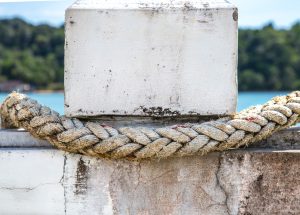
While fishing nets help catch fish mooring ropes are just as vital in work. A heavy mooring rope secures vessels to docks, piers and other mooring spots. A heavy mooring rope keeps a vessel in place while it moves from wind, waves, tides and changing loads. Mooring work demands rope. A heavy mooring rope must take tension, repeated loading, weather exposure and regular handling. Important factors to consider when choosing a mooring rope include:
- Breaking strength: A heavy mooring rope must meet the load needed for the vessel and job.
- Material selection: Different synthetic fibres give strength, stretch and handling traits.
- Abrasion resistance: Contact, with vessel fittings, bollards and other surfaces can wear a mooring rope.
- Elongation characteristics: The right amount of stretch lets a heavy mooring rope adapt to changing loads.
- Handling requirements: mooring rope diameter, weight, flexibility and build affect how it is used.
The correct heavy mooring rope should always be chosen based on the vessel’s needs, operating conditions and safety rules.
Why Synthetic Rope Manufacturers Matter in Marine Applications
Today’s marine tasks increasingly depend on materials because these materials give a set of performance traits that fit environments. Today synthetic rope manufacturers mix polypropylene (PP) polyethylene (PE) nylon and polyester to build ropes that meet needs. Each material has its characteristics:
- Polypropylene (PP): Lightweight and moisture-resistant. Commonly used in general marine and utility ropes.
- Polyethylene (PE): Offers low moisture absorption and flexibility. Commonly used in fishing ropes and netting.
- Nylon: Known for its high strength and elasticity. Used in marine and industrial applications.
- Polyester: Provides good strength and abrasion resistance. Suitable for mooring and general marine applications.
Choosing the right material depends on the intended use the load demands, the exposure to the environment and how the rope will be handled. I always look at these factors first. A trustworthy manufacturer also looks at rope construction, steady diameter, quality tests and product rules so that the final rope satisfies its purpose. I know a good rope will hold up only if these details are checked.
How Rope and Net Quality Influences Marine Operations
Ropes and nets may look like parts.. Their performance can directly change how efficient marine work becomes. I have seen that before. For example a fishing job depends on nets and twines that can stand the pull of deployment and retrieval. Likewise shipping work needs mooring ropes that can handle the motion of a vessel and its operational forces. I have watched fishermen rely on twine. If the material chosen is poor if the product specs are wrong the rope will wear quickly need replacement and cause work delays. I have seen projects stall because of that. Businesses should therefore evaluate manufacturers based on factors:
- Raw Material Quality
- Manufacturing Consistency
- Quality Testing
- Product Range
- Customisation
The fibre quality decides the strength, the durability and the overall performance of the rope. I know that a high‑quality fibre means a rope that lasts longer. Manufacturing consistency means a steady rope diameter, construction and net rules keep the product performance stable. I appreciate when a manufacturer keeps things consistent. Quality testing shows how strong the rope breaks how strong a knot is, how much it stretches and how long it lasts. I trust rope that has been tested thoroughly. A company that sells rope, twine and netting can meet needs from a supplier. I like a supplier that offers a range. Different marine jobs may need rope diameters, net sizes, mesh numbers and material mixes. Custom solutions can fit these needs. I have ordered nets for a specific project.
Kumaran Marine Ropes: Solutions for Fishing and Marine Applications
Kumaran Marine Ropes makes rope, twine and netting for fishing, aquaculture, industrial, farming and commercial use. I have used their products on projects. With a range that covers needs the company gives solutions that can handle moisture UV light, abrasion and repeated stress. I find their range very reliable. Its fishing and aquaculture line has fishing ropes, multi‑filament nets, single‑filament nets, HDPE nets, fishing lines, yarns and twines. I have seen these used in fisheries. For shipping work its line has KMR HMPE, Moor KMR PP Super KMR and Anchor Rope. I trust these for mooring. By picking the material keeping production controls and testing the product Kumaran Marine Ropes aims to give rope that fits working settings. I believe that quality control makes all the difference. If a business needs fishing twine, fishing nets or rope for work choosing the product that matches the operating needs is still essential. I always check the specifications first.
Frequently Asked Questions
1.What is fishing twine used for?
Fishing twine mainly fixes fishing nets. Its strength, size and material decide how long the net lasts and how well it works. I have seen this in practice.
2. How do I choose fishing manufacturers?
Seek makers who choose material keep production, test quality and can customise mesh numbers and net rules. I recommend checking their quality certificates.
3.What is a heavy mooring rope used for?
A heavy mooring rope ties a vessel to docks, ports and harbours. It must match the needed strength and performance rules. I ensure this for every vessel.
4.Which materials are commonly used by synthetic rope manufacturers?
Common materials include polypropylene, polyethylene, nylon and polyester. Each material offers characteristics depending on the intended application. I choose based on the job.
5.Are ropes suitable for environments?
Yes ropes are suitable for use. Synthetic ropes are widely used in environments because their fibres resist moisture UV light and abrasion. The performance of each rope depends on the material, construction and specific application. I rely on these properties.
Modern marine work needs more than rope and netting.
From picking the fishing twine to buying from seasoned fishing makers every choice can change fishing efficiency. How reliable the gear is. Likewise choosing a mooring rope is key for tying up a vessel and for marine handling. I know how important each choice can be. As the industry grows, seasoned synthetic rope manufacturers will stay vital for giving solutions to fishing, shipping, aquaculture and offshore jobs. I see their role becoming more important.
Kumaran Marine Ropes keeps serving these fields with rope, twine and netting that needs. I trust them for my projects. Looking for rope, twine and netting solutions for your operations? I can help you find the ones. Talk with Kumaran Marine Ropes to share your needs.