Beyond Breaking Strength: Choosing Marine Ropes That Can Handle Life at Sea
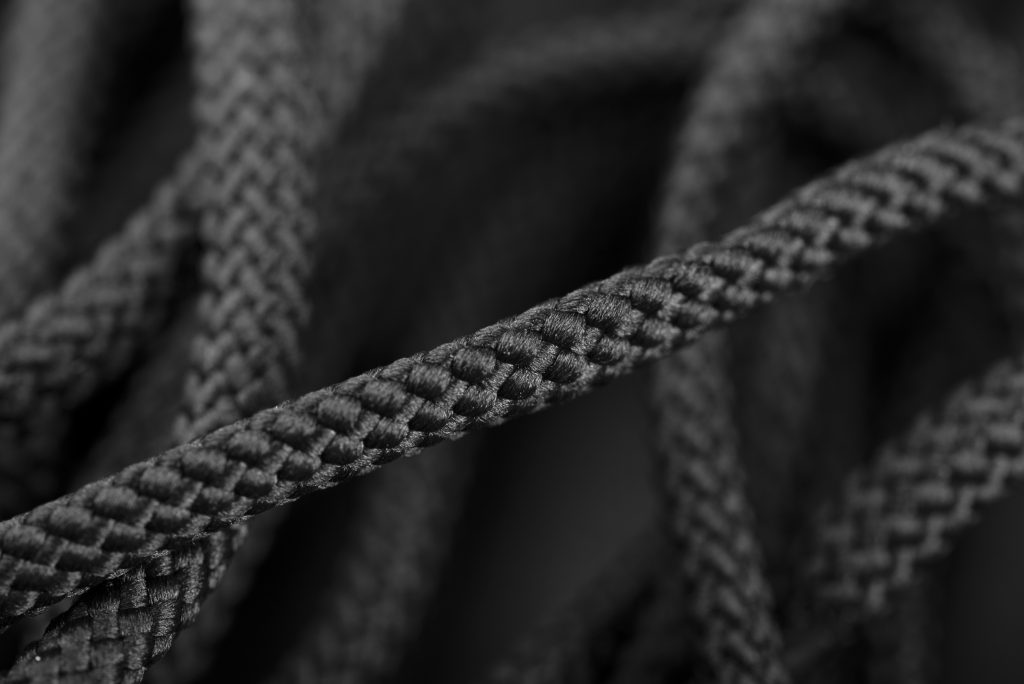
A new rope can look strong and durable. Marine conditions put it to the test. Sunlight, saltwater, friction and repeated pulling can gradually affect its performance. For businesses that depend on ropes every day choosing the rope from the beginning can help avoid replacements and interruptions to work.
Marine ropes are used for purposes from handling fishing gear to securing vessels and supporting anchoring operations. Each application has its requirements; which’s why strength alone should not determine the buying decision.
For businesses looking for marine rope manufacturers in India understanding the materials, rope construction and intended applications is a starting point. Here is what to look at before placing an order.
1.What Makes Marine Conditions Challenging for Ropes?
Ropes used at sea are regularly exposed to moisture, sunlight and friction. They may also experience repeated tension as vessels move or equipment is handled. Over time these conditions can contribute to wear depending on the material. How the rope is used. The demands vary from one job to another. A fishing rope that is handled throughout the day may experience abrasion while a mooring rope must be suitable for vessel movement and the loads involved in securing it.
Before selecting a rope consider where the rope will be used how frequently the rope will be. What loads the rope must withstand. It is also important to check whether the rope’s diameter and construction are compatible with your equipment. These details will help you identify products suited to the working conditions than choosing based on appearance alone.
2.Understanding Marine Rope Materials
The material used to make a rope affects its weight, flexibility, stretch and resistance to exposure. Polypropylene, polyethylene, nylon and polyester are options. Their properties differ.
- Polypropylene (PP): Lightweight and generally buoyant polypropylene rope is used in selected fishing and marine handling applications. Its resistance to sunlight exposure should be considered when choosing a rope for use.
- Polyethylene (PE): This material offers handling and resistance to moisture. Its suitability depends on the rope’s construction and the demands of the application.
- Nylon: Nylon stretches under load. Can absorb shock making it useful in applications where changes in tension are expected. However, its elasticity may not suit every operation.
- Polyester: Polyester resists abrasion and ultraviolet exposure with low stretch compared with nylon. These properties can be useful for demanding applications.
There is no material that works best for every task. The right choice depends on the working environment, required performance and manufacturer’s specifications. If you are unsure which type of rope to buy discuss your application with the supplier before planning.
3.Rope Construction and Strength: What Buyers Should Know
The way a rope is constructed influences how the rope handles, bends and performs during use. Twisted and braided ropes have characteristics so the appropriate construction depends on the intended application and the equipment involved. When comparing products from a marine rope manufacturer check the construction, diameter, strength specifications. Recommended uses. These details help you understand whether a rope is suitable for the job.
- Breaking strength also deserves attention. It is one part of the decision.
- Breaking strength refers to the load at which a rope fails under test conditions.
- Working load limit identifies the permitted load for an application under the safety requirements.
- Elongation describes how much a rope stretches under load.
- Abrasion resistance indicates how well a rope withstands friction and surface wear.
Knots, bends, damage and handling can affect performance in service. Breaking strength must never be treated as a working load. Always follow the manufacturer’s instructions and applicable safety requirements.
4.Looking After Ropes in Outdoor Conditions
Even a rope designed for use needs care. Prolonged sunlight can degrade materials while repeated rubbing against surfaces can damage fibres. Poor storage and improper handling may shorten a rope’s life well. When purchasing ropes, ask the supplier about resistance and recommended storage practices. These details are particularly relevant if the ropes will remain outdoors between uses.
Regular inspection is just as important. Look for fibres, unusual wear, deformation or other signs of deterioration. Follow the manufacturer’s inspection and replacement guidance, especially when ropes are used in operations. Choosing a rope is important. Maintaining the rope correctly is part of keeping the rope fit for use.
5. Choosing Ropes for Different Applications
The type of work decides which rope features are most important. I have found that the job you plan for the rope shapes its needs.
- Fishing and aquaculture: I have seen that ropes used for fishing or fish farming may be pulled times and touch nets or other gear. You need a rope thats strong resists wear and is easy to handle.
- Mooring and vessel securing: I know the rope must fit the boat handle the expected loads cope with boat movement and match the mooring set‑up. Check how much the rope stretches and whether it works with the gear.
- Towing operations: I have seen towing can change the amount of force and involve moving loads. The rope must match the towing system. Be used as the maker says.
- Anchoring and general marine work: I think you should think about the loads, the sea conditions and the gear needed before choosing a rope.
A rope that is good for fishing may not fit towing or mooring. I have found that checking what the rope will be used for before buying stops a match between the rope and the task.
6.How to Choose Marine Rope Manufacturers in India
Price matters when buying ropes for companies that order often.. The cheapest price does not always give the value if the rope does not meet the needed specs. I have noticed that value comes from quality well. When looking at marine rope manufacturers in India check the range of products the data and how they control quality. I have seen that a broad range shows expertise. See if the manufacturer has the materials, sizes and designs you need. I have found it useful to ask for test reports or quality papers and make sure the specs are clear so you can decide wisely.
Supply plans also matter. Companies that order often need product supply order sizes and reliable delivery times. I have seen that good supply planning saves time. A supplier who knows your needs and explains the rope details well can make buying easier. I have found that clear communication reduces confusion.
7.When Does Marine Rope Wholesale Make Sense?
For fishing firms, distributors, marine service companies and other buyers buying ropes in amounts can make inventory planning simpler. I have seen bulk buying help keep stock levels steady.
Before making a rope order check the needed specs and quantity. Buying rope that is not right can lock money in stock that you do not need. I have found careful checking saves money. It is good to check the rope material, build, size, strength and use with the supplier. If you use ropes for tasks make sure each rope fits its job. I have seen mismatches cause delays. Planning your needs ahead can make repeat buying easier. Cut down on mistakes. I have found that a clear plan reduces errors.
Frequently Asked Questions
1.How do I choose the rope?
Think about what the rope will do what it is made of how it is built, its size, its strength and what sunlight, water and wear it will face. The rope also has to work with the gear and the conditions. I have found that careful consideration prevents problems.
2.Which materials are commonly used for ropes?
Polypropylene, polyethylene, nylon and polyester are choices. Each one is different. The best material depends on how stretchy, weather‑proof and useful it needs to be. I have seen each material perform best in its niche.
3.How can I find marine rope manufacturers in India?
Look at manufacturers by their product range, technical data, quality checks and how well they can meet your supply needs. Ask for product papers. Talk about your use before ordering. I have seen that talking first builds trust.
4.What is the difference between breaking strength and working load limit?
Breaking strength is how load a rope can take before it breaks in a test. Working load limit is the load you can use for a job under the rules. They are not the same. I have found that using the value can be dangerous.
5.Can I purchase marine ropes wholesale?
Yes. Buying ropes can suit companies that need regular ropes. Check the rope specs, amount, stock and delivery before ordering. I have found that bulk buying works best when the details are clear.
Find the Right Rope for Your Business with Kumaran Marine Ropes
Choosing a rope starts with knowing the job it has to do. The material, build, strength and weather all affect the choice. I have found that a clear job description guides the pick. Kumaran Marine Ropes works with sectors, such as fishing and fish farming, marine and shipping, farming and gardening, industry and safety business and retail and sports and play. I have seen their range cover all needs.
If you are buying ropes, for work or planning an order first list your needs and then compare ropes to the conditions where they will be used. I have found that this step saves time. Contact Kumaran Marine Ropes to talk about your needs ask about the products they have. Look at supply choices for your business. I have found that a friendly chat starts the partnership.