Braided vs Knotless Nets: Understanding the Differences, Strength and Applications
Nets are used across several industries, including fishing, sports, agriculture and industrial applications. While they may appear similar at first glance, their construction, materials and manufacturing techniques can significantly influence their strength, flexibility and durability. Among the different types of netting solutions, braided nets and knotless nets are widely used for applications that require reliable performance and consistent construction. Understanding the differences between these net types can help businesses, distributors and end users select the right netting solution for their specific requirements.
1.What Are Braided Nets?
Braided nets are manufactured by interweaving multiple strands of yarn or twine to create a structured and flexible netting material. The braiding process helps distribute tension across the strands, providing flexibility and strength. The performance of a braided net depends on factors such as the raw material, strand construction, mesh size and manufacturing quality. Braided nets are used in different applications, including fishing equipment, protective netting and other industrial uses where flexibility and reliable construction are important. When choosing a braided net manufacturer, it is important to consider the quality of the materials, consistency of the braiding process and suitability of the finished net for its intended application.
2.Understanding Braided Twine and Its Importance
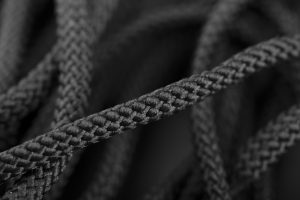
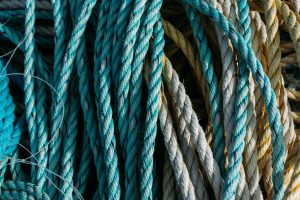
Braided twine plays an important role in net manufacturing. It is produced by interweaving multiple yarn strands to form a compact and flexible cord. The quality of the twine directly influences the performance of the finished net. Factors such as material selection, strand arrangement, thickness and construction can affect its strength and handling characteristics. Braided twine is commonly used in:
- Fishing nets and related equipment.
- Sports and recreational netting.
- General-purpose netting applications.
- Industrial and protective netting.
Selecting suitable braided twine helps manufacturers achieve consistent net construction and the required performance for different applications.
3.What Is a Knotless Net?
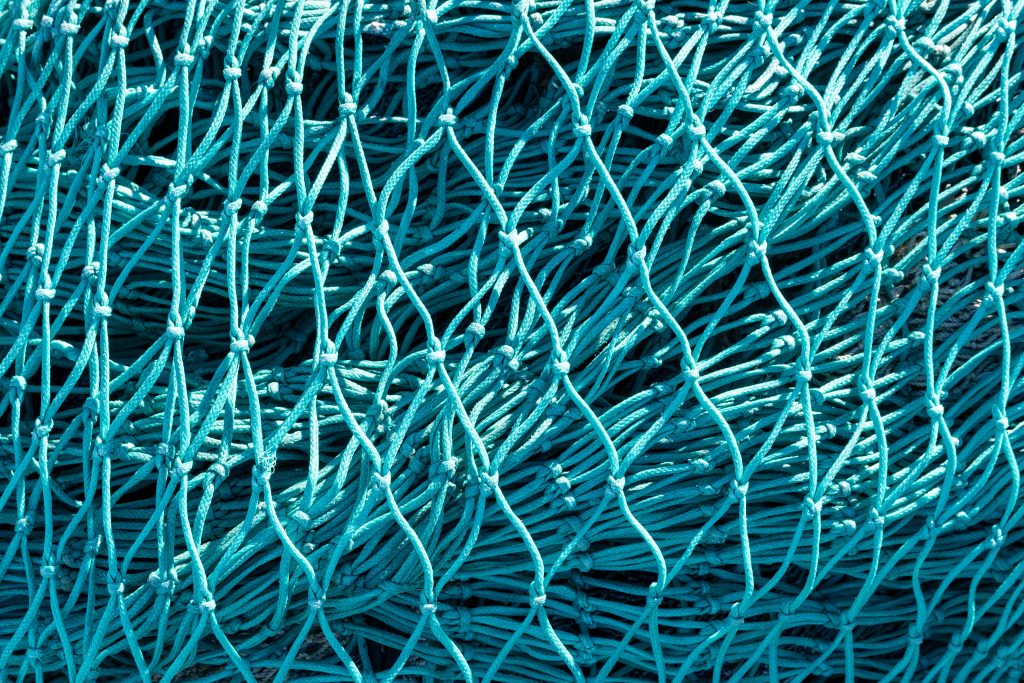
A knotless net is a type of netting in which the mesh intersections are formed without traditional knots. Instead of tying individual knots at every mesh connection, the net is constructed using specialised interlocking or weaving techniques. This construction creates a relatively smooth net surface without prominent knots at the intersections. Some important characteristics of knotless nets include:
- Smooth surface: The absence of traditional knots creates a more uniform surface.
- Consistent mesh structure: Proper manufacturing helps maintain uniform mesh openings.
- Reduced snagging: The smoother construction can help minimise snagging in certain applications.
- Lightweight construction: Depending on the material and design, knotless nets can offer a lightweight netting solution.
Knotless nets are used in sports, fishing and other applications where smooth mesh construction and consistent net structure are required.
4. Braided Nets vs Knotless Nets: What Is the Difference?
Although braided nets and knotless nets are both used in different netting applications, they are not exactly the same. The main difference lies in their construction methods. Here are some important factors to consider:
Construction Method
Braided nets are made by interweaving strands of yarn or twine, while knotless nets are constructed using techniques that create mesh intersections without traditional knots.
Surface Finish
Braided net construction depends on the braiding pattern and mesh design. Knotless nets generally provide a smoother surface because they do not have traditional knots at the mesh intersections.
Flexibility
Both types can offer flexibility, depending on the materials and manufacturing techniques used. Their suitability depends on the intended application.
Application Requirements
The choice between braided and knotless nets depends on factors such as required strength, mesh size, handling requirements and environmental conditions.
Therefore, selecting the right net requires understanding both the construction method and the conditions in which it will be used.
5.Applications of Braided and Knotless Nets
Different net constructions serve different purposes. Selecting the appropriate netting solution is important for achieving the required performance.
Fishing Applications
Fishing nets require suitable materials and construction to withstand repeated handling and exposure to water. Braided twine and different netting constructions are used depending on fishing requirements, mesh size and operating conditions.
Sports and Recreational Applications
Sports nets are used in football, cricket, badminton, tennis and other recreational activities. Their construction must suit the specific sport, playing conditions and expected impact. Businesses looking for a reliable sports net manufacturer should consider factors such as mesh size, material strength, flexibility and durability before selecting a netting solution.
Industrial and Protective Applications
Industrial nets are used for various protective and general-purpose applications. Depending on their intended use, they may require specific mesh dimensions, material properties and construction techniques. Both braided and knotless netting solutions can serve different industrial requirements when manufactured using suitable materials and processes.
6. How to Choose the Right Netting Solution
Selecting the right net is not simply about choosing between braided and knotless construction. Several factors need to be considered before making a decision.
- Material Quality: Choose materials suitable for the intended application and environmental conditions.
- Mesh Size: Consider the required opening size based on the purpose of the net.
- Strength Requirements: Evaluate the expected load, tension and impact conditions.
- Construction Quality: Check the consistency of the braiding, mesh structure and overall finish.
- Application: Select a netting solution designed for its intended use, whether fishing, sports or industrial applications.
Working with an experienced net manufacturer can help businesses identify suitable netting solutions based on their requirements.
Frequently Asked Questions
1.What is the main difference between braided and knotless nets?
Braided nets are made by interweaving yarn or twine strands, whereas knotless nets are manufactured without traditional knots at the mesh intersections.
2.What is braided twine used for?
Braided twine is used in fishing nets, sports netting and other applications where flexible and structured cord construction is required.
3.What are the advantages of knotless nets?
Knotless nets offer a smoother surface, consistent mesh construction and reduced snagging in certain applications.
4.How do I choose a sports net manufacturer?
Consider the manufacturer’s material quality, construction methods, mesh specifications and ability to meet the requirements of the intended sport.
5.Are braided nets suitable for fishing applications?
Yes. Braided netting can be used in fishing applications, depending on the material, mesh size, construction and operating conditions.
Conclusion
Braided and knotless nets offer different construction characteristics and serve a wide range of applications across fishing, sports and industrial sectors. While braided nets are valued for their interwoven construction, knotless nets provide an alternative with smooth mesh intersections and consistent construction. The right choice depends on material quality, manufacturing techniques and the intended application.
For businesses looking for a dependable braided net manufacturer, selecting a manufacturer with an understanding of net construction and material requirements is an important step towards achieving consistent product quality. Kumaran Ropes offers rope and netting solutions for different industrial and commercial requirements. Explore the Kumaran’s product range to understand the available solutions for your netting and twine requirements.